So they want to ban porn, my two cents
My personal take on this new proposed law thats got everyone talking
It’s finally happening isn’t it?
I saw this pop up online a few days ago1. a proposal for a new law to basically ban porn in Algeria. I guess we all knew it was coming sooner or later, after they blocked a few sites before, it felt like someone was testing the waters. Now, they’re going for the whole ocean.
Reading the comments, a lot of people seem really happy about it. Given our cultural and religious backdrop and, let’s be honest, the general state of digital literacy and education, the online reaction was a predictable wave of “Allahu Akbar” and “Finally!”. I mean, we saw it coming.
But hold on. Before we all jump on the bandwagon, let’s take a closer look. This isn’t just about banning naughty videos. It’s about how we police the internet.
Why this could have been AWESOME
On paper, the goal sounds almost saintly: Protect the youth! Uphold societal values! And look, I get it. The concerns are real. Porn sites are alarmingly high on the list of most visited websites here. In a culture where “the talk” is often no talk at all, the internet becomes the default, and deeply flawed, sex educator.
There’s a genuine problem. At its core, this should be a fight to protect our society’s most vulnerable: our children and our women. Early exposure messes with kids’ heads. It fuels unhealthy attitudes and, let’s not skirt around it, with zina (fornication) prohibited in Islam and the social and financial pressures making marriage increasingly difficult, the sexual frustration contributes to the harassment women face daily.
But… (You knew there was a ‘but’ coming, right?)
A problem this messy and human can’t be solved with a simple technical kill switch. It’s like using a flamethrower to deal with a spider in your house. Sure, the spider’s gone, but so is your house. The house here being our freedom, privacy, and our right to access information.
Let’s Break Down This Law (Article by Article)
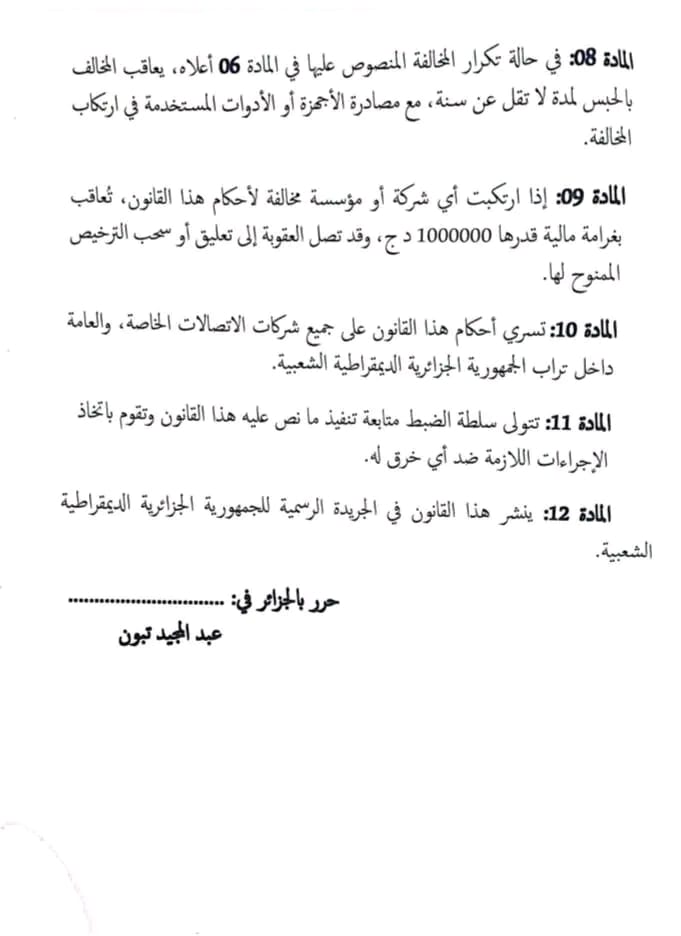
They’ve published the proposal2. Here’s the TL;DR, with a dash of commentary:
| Article | What It Says | What It Could Mean |
|---|---|---|
| 1 | Goals: Block porn sites to align with values. | Sounds simple enough. |
| 2 | Defines illegal content as explicit material or “material offensive to public decency.” | “Public decency” is vaguer than a politician’s promise. Who decides? |
| 3 & 11 | An unspecified “competent authority” gets to call the shots. | Unlimited power with zero checks, balances, or way to appeal? What could go wrong? |
| 5 | ISPs must block sites instantly and keep systems “effective.” | This is the technical hammer. |
| 7 | Using/creating tools to bypass blocks gets you 1 year in prison. | They’re coming for your VPN. Yes, that VPN. |
| 9 & 10 | Fines (and worse) for companies that don’t comply. | Expect Alrighty, let’s dive into the messy bits. |
Do You See What I See?
Who Gets to Decide?
The law points to a “competent authority” in Article 3 & 11. Sounds official, right? But it doesn’t actually name who that is.
And here’s the thing that gets me: there’s no talk of a judge being involved. No mention of how you, or a company, can appeal if they block something by mistake. What if they accidentally (or not so accidentally) block an educational site, or a news blog? How do you even begin to challenge that?
It just puts all that power in one place, with no real rules or transparency. That’s never a good idea. It’s basically asking for someone to overstep, or to make a big error that none of us can fix.
The Slippery Slope
That phrase in Article 2 “material offensive to public decency” is a legal nightmare. It’s a blank check for censorship. Could it be used against:
- A health website explaining STDs or safe sex, or anything related to sexual education?
- Classic art or literature that includes nude figures?
- Political commentary discussing women’s rights or social reforms?
Without a crystal clear definition, this law isn’t just about porn. It’s about granting someone the power to decide what ideas are “decent” enough for you to see.
The VPN Trap
Article 7 is the real kicker for the tech savvy (or anyone who cares about online security). By criminalizing tools that bypass blocking a.k.a. VPNs they’re not just going after porn seekers.
They’re outlawing a standard tool for:
- Securing your data on public Wi-Fi.
- Safe communication for journalists or activists.
- Accessing global business platforms and services.
It’s a move that would digitally isolate the country, harm the economy, and make everyone less safe online, all while failing to stop a determined teenager with a credit card and a Google search.
The Technical Quagmire and Collateral Damage
To comply with Article 5, ISPs will likely use blunt tools. If a platform like Discord, Reddit, Google Drive hosts a single piece of “indecent” content, the easiest fix is to block the entire site. Poof. There goes your study group, your memes, your cloud storage.
Precision over Prohibition
The intention to protect isn’t wrong. But the method is as subtle as a brick. Instead of a national firewall that crushes everything in its path, why not try a smarter approach?
- Target the Source: Push for mandatory, robust age verification on the porn sites themselves (like european countries are trying to pilot). Make them responsible.
- Empower Families, Not Just the State: Launch a massive campaign to teach parents about built-in parental controls on routers, devices, and browsers (Google SafeSearch, YouTube Restricted Mode). A tech literate parent is worth a thousand firewalls.
- Define the Real Evil Clearly: Write laws that surgically target universally condemned horrors like child abuse material or revenge porn. There’s no debate there. Focus enforcement energy on that.